Burst pipe behind a wall or under a sink
We shut off the water, extract from the floor, open the wall where needed, and dry the cavity with air movers. A moisture meter tells us when the framing is dry so the repair can be closed up.
When water is rising in your South Ogden home, every minute soaks deeper into the subfloor. Our water extraction South Ogden UT crew rolls out with truck-mounted units, moisture meters, and dehumidifiers to pull standing water and start structural drying the same day. We handle burst pipes, toilet overflows, snowmelt flooding, and sewage backups across Weber County, and we bill insurance directly so you are not chasing paperwork while your basement is wet.
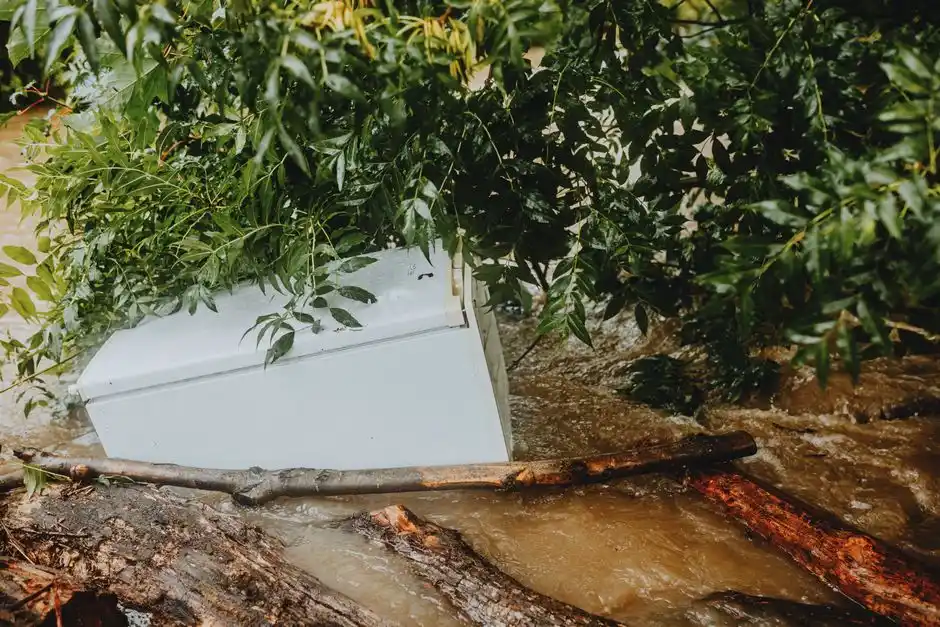
Water extraction South Ogden UT is the mechanical removal of standing water from a structure using truck-mounted or portable extraction units, followed by measured drying. It is not a shop vac and a fan. We map the moisture with a thermal imaging camera and moisture meter, pull carpet and pad where saturation passes the salvage line, extract from carpet, hardwood, and concrete, then set air movers and dehumidifiers to dry the assembly to the ANSI/IICRC S500 standard. Extraction is the step that stops secondary damage; drying is the step that keeps mold from colonizing.
In South Ogden, most calls come from three sources: a burst pipe behind a wall, a toilet overflow that runs through the ceiling below, or snowmelt and heavy rain finding a basement window well. Homes along the Burch Creek and Adams Avenue Corridor sit on older foundations and clay-heavy soil that pushes water sideways instead of down. If you search water extraction South Ogden UT near me at 2 a.m., you want a crew that knows where the shutoff is and how to get the water out before the drywall wicks it up the wall.
Every water extraction job includes the core work that gets your home dry: inspection, extraction, drying setup, and daily monitoring. Repairs like drywall replacement or flooring install are scoped separately once the structure is dry, and we tell you that upfront so there are no surprises on the invoice.
We use a moisture meter, thermal imaging camera, and hygrometer to map where the water went. This includes checking behind baseboards with a boroscope and reading unaffected areas as a dry reference.
Truck-mounted extraction units and a sump pump for deeper water. We extract from carpet, hardwood, tile, and concrete, and use weighted passes on carpet to pull water from the backing.
Category 2 and category 3 water means some materials cannot be saved. We remove affected drywall, insulation, and carpet, bag it, and dispose of it properly.
We apply an antimicrobial solution to framing, drywall edges, and subfloor after extraction. This is a preventive step that reduces the chance of mold growth during the drying period.
Air movers and dehumidifiers set to the ANSI/IICRC S500 standard, with daily moisture readings until materials hit dry standard. You get a documented drying log at the end.
Photos, moisture readings, and a scope written in Xactimate. We send the documentation to your adjuster so the claim moves without you having to chase paperwork.
You call and describe what is wet. We ask about the source, whether the water is clean or contaminated, and whether the power is safe. A crew is dispatched with extraction units, a moisture meter, and a thermal imaging camera. Typical arrival in South Ogden is within 60 to 90 minutes for an emergency call.
We shut off the water source if it is still running, then walk the affected area with a moisture meter and thermal imaging camera. We check behind baseboards with a boroscope and read the hygrometer for ambient conditions. This is where we find the hidden water that a visual check misses.
Truck-mounted water extraction units pull standing water from carpet, hardwood, and concrete. We use weighted extraction passes on carpet and a squeegee and wet-vac setup on hard surfaces. A sump pump handles deeper basement flooding. This step usually takes one to three hours for a typical room.
We set air movers and dehumidifiers in a calculated pattern based on the ANSI/IICRC S500 standard. Plastic sheeting and duct tape contain the drying chamber. Desiccant or refrigerant dehumidifiers pull moisture from the air, and we check readings daily with a hygrometer until materials reach dry standard.
We take final moisture readings and compare them to a dry reference sample from an unaffected area. When the numbers match, the equipment comes out. You get a documented dry log and, if needed, a scope for any repairs that remain. Most jobs dry in three to five days.
Purpose-built equipment, used by trained technicians — so the job is done accurately the first time.
The primary tool for pulling standing water from carpet and hard surfaces. It generates enough vacuum to extract water from carpet backing and pad in fewer passes.
Finds water hidden behind walls and under floors by showing temperature differences. We use it to map the moisture before we start extracting.
A moisture meter reads moisture content in wood and drywall; a hygrometer reads humidity in the air. Both are used daily to track drying progress.
A camera on a flexible probe that lets us look inside wall cavities and under cabinets without tearing everything open.
Air movers evaporate moisture from surfaces; dehumidifiers pull it from the air. We use Dri-Eaz and Phoenix Restoration Equipment units set to the ANSI/IICRC S500 standard.
For deeper basement flooding, a sump pump removes the bulk of the water before extraction units finish the job.
For small areas and tight spaces where a truck-mounted unit cannot reach, we use wet vacuums to pull water from cabinets and closets.
A supply line split behind a finished wall and water ran under the carpet for hours before the homeowner noticed. The carpet was saturated, the pad was soaked, and the baseboard was wicking water. Moisture readings in the drywall were high.
We extracted the standing water, pulled the wet pad, and set air movers and a dehumidifier. Four days later the moisture meter read dry and the baseboard was stable. The repair scope was limited to a small drywall patch.
A toilet overflow on the second floor ran through the ceiling into the unit below. The ceiling drywall was soft, the insulation was soaked, and the water was category 3. The tenant had already moved belongings out of the room.
We contained the area, extracted the water, removed the contaminated ceiling material, and treated the framing with an antimicrobial solution. Drying took four days. The moisture readings matched the dry reference before we pulled equipment.
A spring storm overwhelmed a sump pump and water covered the basement floor. The carpet was wet and the bottom of the drywall was soft. The homeowner had already moved furniture but did not know where the water was coming from.
We pumped and extracted the water, removed the wet carpet and pad, and cut the drywall at the water line. Air movers and a dehumidifier ran for five days. The basement was dry and the window well was cleared.
Most water damage we see in South Ogden starts small and gets expensive fast. Here are the problems we solve most often, and what happens if they are left alone.
Ask a pro →We shut off the water, extract from the floor, open the wall where needed, and dry the cavity with air movers. A moisture meter tells us when the framing is dry so the repair can be closed up.
We pump and extract the standing water, remove wet materials, and set drying equipment. We also check the window wells and sump pit so the same problem does not repeat next spring.
We contain the area, extract the water, remove the contaminated ceiling material, and treat the framing with an antimicrobial solution. Then we dry the cavity and document it for insurance.
We locate the moisture with a thermal imaging camera, extract what we can, and dry the assembly. If the slab leak is still active, we coordinate the repair before drying so the water stops.
Most residential water extraction jobs in South Ogden run $350 to $1,800 depending on the area affected and water category. A single room with clean water sits near the low end; a finished basement with contaminated water and carpet removal sits higher. Drying equipment is usually billed daily, and we provide upfront pricing before we start.
Steadfield Assembly handles water removal in South Ogden Utah 24/7, including nights and weekends. We are based in South Ogden and cover Weber County, so arrival is typically 60 to 90 minutes. Call (855) 927-6272 and we will dispatch a crew with extraction units and drying equipment.
Extraction itself usually takes one to three hours for a typical room, and a full basement can take four to six hours. Drying takes longer: most jobs run three to five days with air movers and dehumidifiers running continuously. We check moisture readings daily and pull equipment only when materials hit dry standard.
Yes. Extraction and drying are one job, not two. We set air movers and dehumidifiers the same day we extract, and the equipment stays until moisture readings match a dry reference. That is how we prevent mold growth and callbacks. You get a documented drying log at the end.
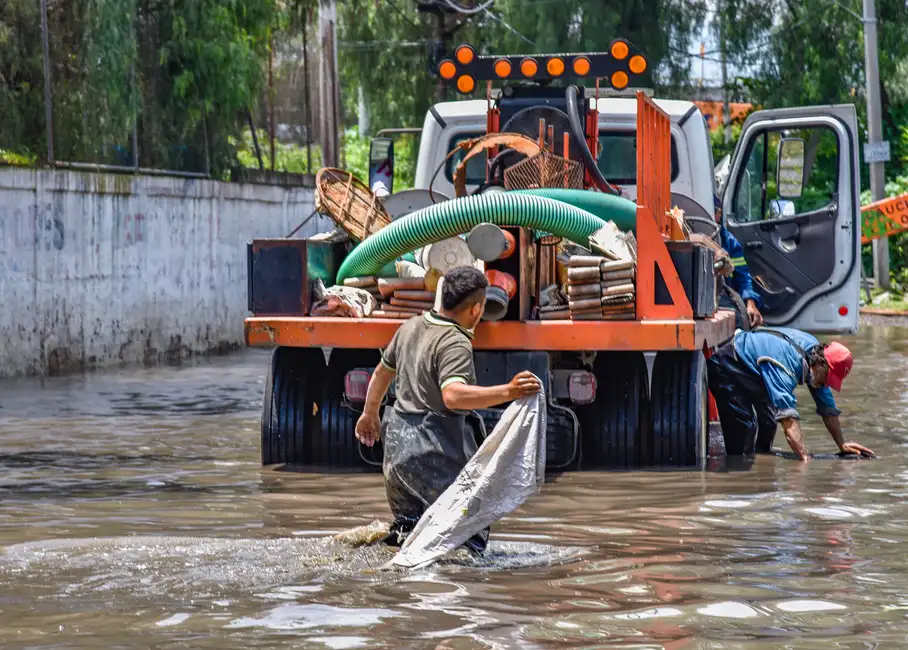 flood restoration servicesWhen flooding goes beyond a single room, flood restoration services cover extraction, drying, and the repairs that follow. We handle South Ogden basement flooding and storm-driven water intrusion as one scope.Explore →
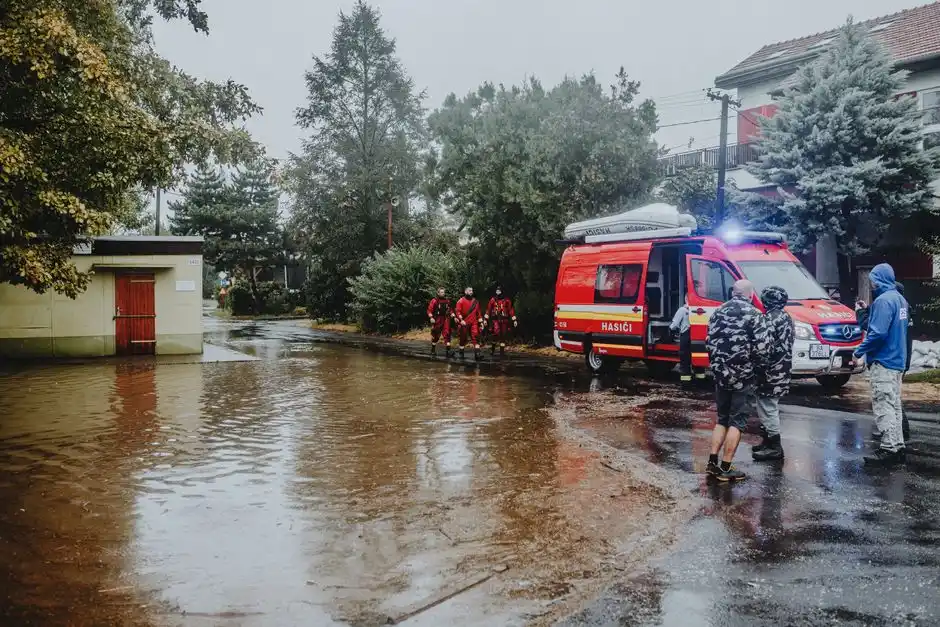 emergency water removalEmergency water removal is the 24/7 arm of our extraction service. When a pipe bursts at 2 a.m. or a toilet overflows before a holiday, we dispatch a crew with extraction units and stop the water before it spreads.Explore →
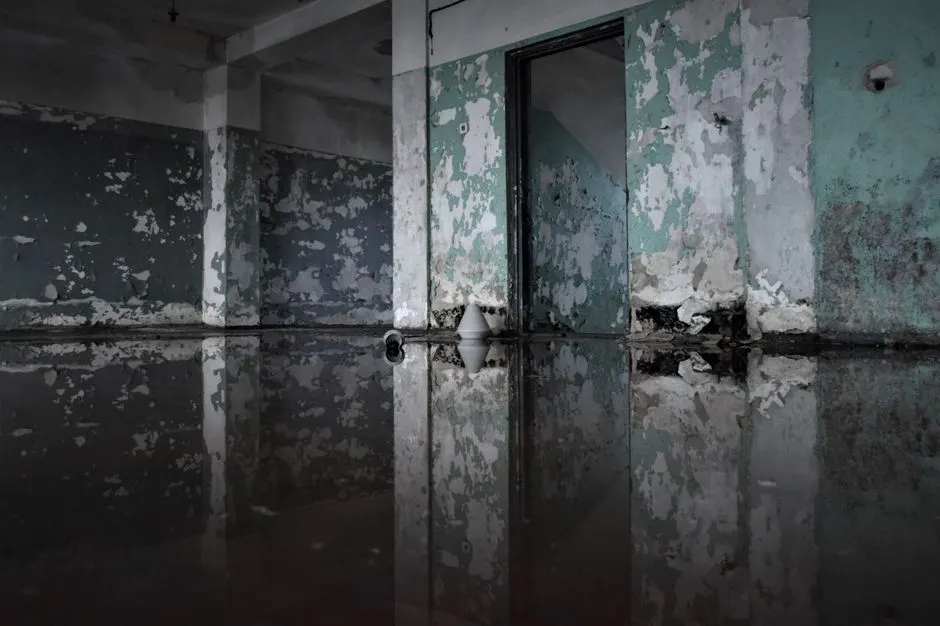 mold remediation after water damageIf water sat too long, mold remediation after water damage removes affected drywall and insulation and treats framing with an antimicrobial solution. We test before and after so you know the job is done.Explore →
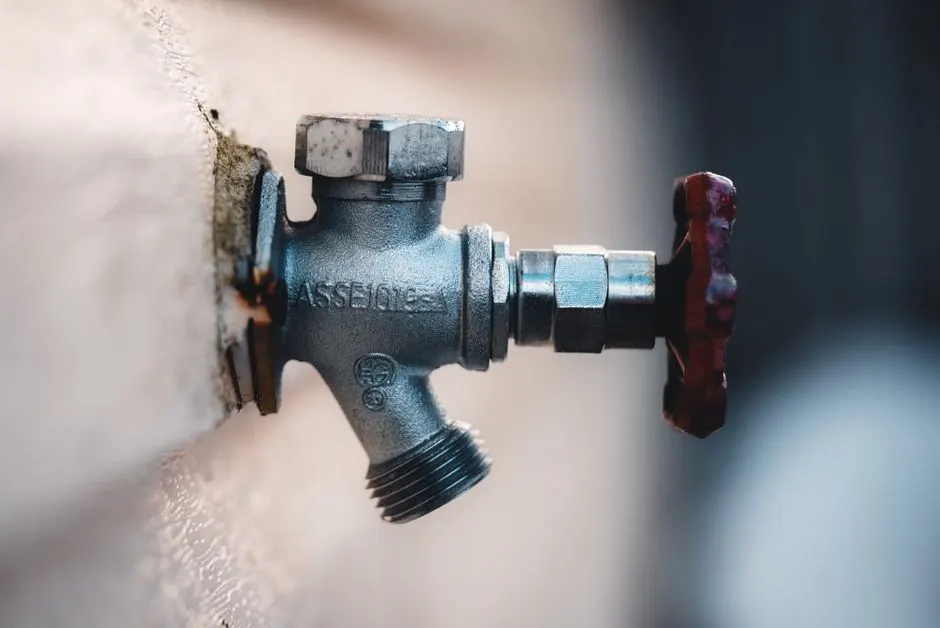 water leak restorationA slab leak or a slow supply line leak can soak a floor for weeks before you notice. Water leak restoration finds the source, extracts the water, and dries the assembly before warping turns into replacement.Explore →
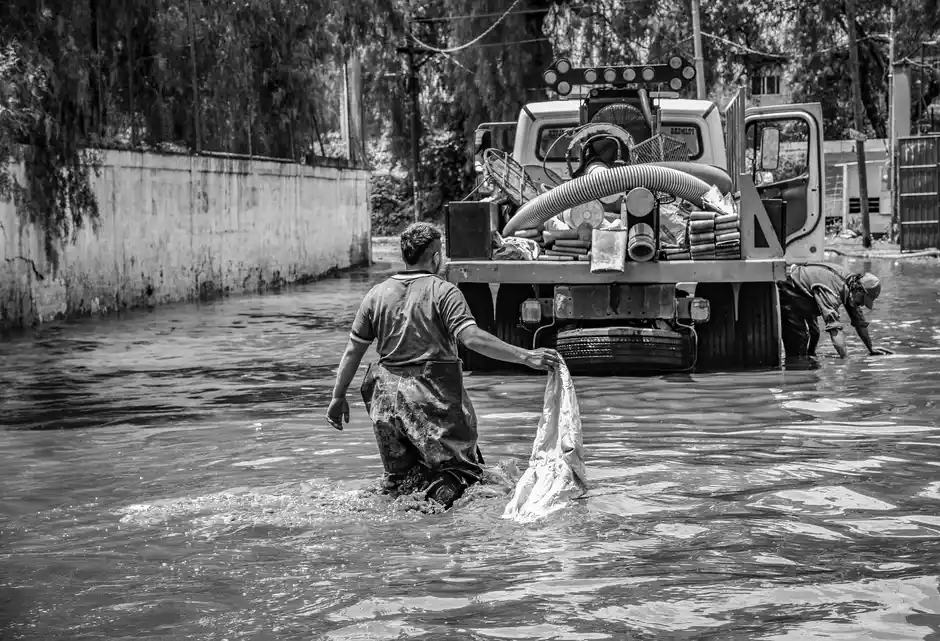 emergency water cleanupEmergency water cleanup covers the mess that comes with the water: wet carpet, soaked belongings, and contaminated surfaces. We extract, remove what cannot be saved, and clean what can.Explore →
 water damage mitigationWater damage mitigation is the work that limits how far damage spreads. Extraction, drying, and containment are all mitigation steps, and doing them fast is what keeps a small leak from becoming a rebuild.Explore →
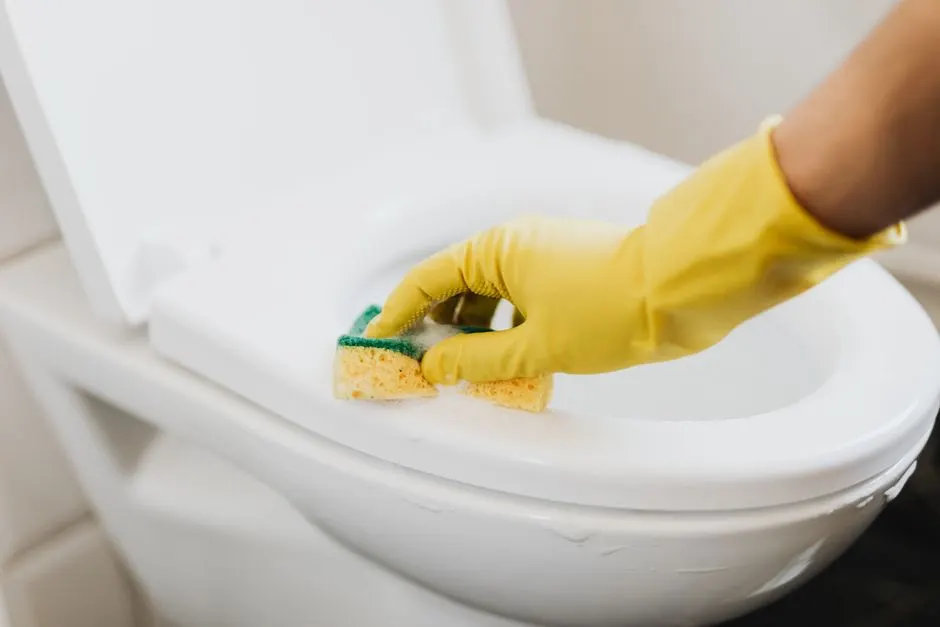 toilet overflow cleanupA toilet overflow can push category 3 water through a ceiling in minutes. We extract, remove contaminated materials, and treat the area with an antimicrobial solution before drying.Explore →
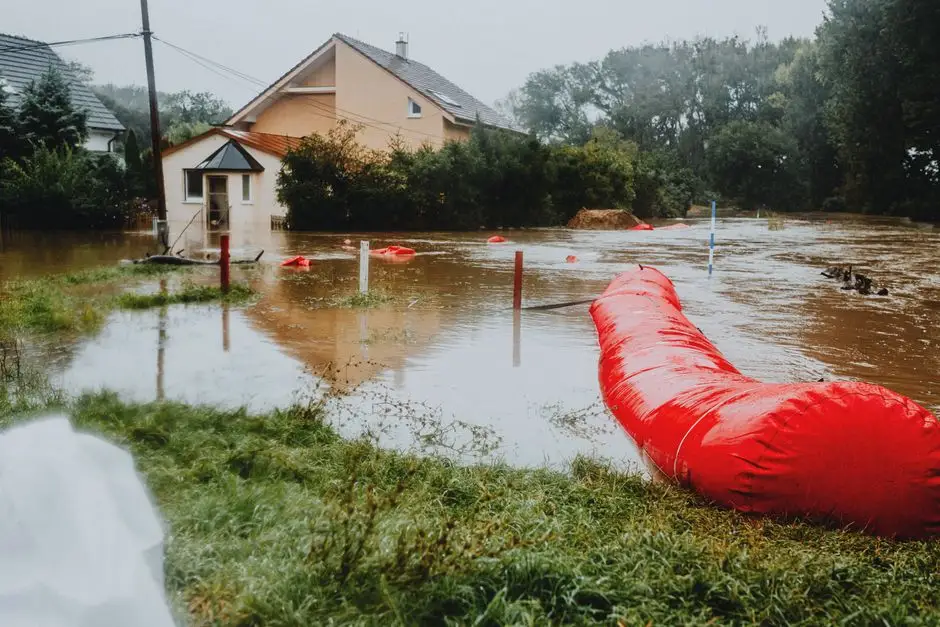 basement flood cleanupBasement flood cleanup in South Ogden often starts with a window well or a failed sump pump. We pump, extract, and dry the basement, then check the foundation for where the water came in.Explore →
We answer the phone 24/7 and dispatch a crew with extraction units and drying equipment. Licensed, insured, and documenting every job for your insurance carrier. Call now and we will tell you exactly when we will be there.
Call for service (855) 927-6272 →Call (855) 927-6272 any time, day or night. A live person answers and dispatches a crew from South Ogden. For non-emergency questions, email info@steadfieldassembly.com and we will get back to you the same business day.