Burst pipe or failed supply line flooding a room
We shut down the source, extract standing water, and dry the floor assembly before it cups or delaminates. Fast extraction here usually saves the carpet and pad entirely.
When a pipe bursts or your basement floods, emergency water removal South Ogden UT crews from Steadfield Assembly roll out 24/7 across Weber County. We pull standing water, set drying equipment, and document everything for your insurance claim. We have served South Ogden since 2021, and we answer the phone at 2 a.m. because that is when most of these calls start.
Emergency water removal South Ogden UT is the process of extracting standing water, stopping the source, and drying the structure fast enough to prevent mold growth and structural rot. We start with a moisture meter and thermal imaging camera to map how far water traveled, then run a water extraction unit over carpet, hardwood, and concrete. Air movers and dehumidifiers finish the job. On a typical 500-square-foot basement, extraction takes two to four hours and drying runs three to five days.
Most South Ogden calls come from burst pipes, water heater failures, toilet overflows, and snowmelt flooding that finds the low side of a lot. Homes along the Adams Avenue Corridor and older Burch Creek properties tend to have cast iron drains and finished basements, which means water spreads under baseboard and into wall cavities before you see it. If you need urgent water extraction South Ogden Utah tonight, call (855) 927-6272 and we will tell you exactly what to do while we drive.
Every job starts with the same core: stop the source, extract the water, dry the structure, and document it. Here is what is covered on a standard emergency water removal call in South Ogden, and what we quote separately if your job needs it.
We walk the space with a moisture meter and thermal imaging camera, and use a boroscope inside wall cavities to find water you cannot see. You get photos and a marked wet boundary before any equipment moves.
Truck-mounted and portable extraction units pull water from carpet, pad, hardwood, and concrete. A sump pump handles deeper water, and we switch to hard-surface wands once the carpet is cleared.
Air movers and dehumidifiers are placed by material class, not by guesswork. We add a desiccant unit for tight crawl spaces and check readings daily with a hygrometer until the structure hits dry standard.
After extraction we apply antimicrobial solution to affected surfaces to slow microbial growth. On category 3 losses like sewage backup, this step is not optional and we treat the full affected area.
We photograph affected materials, log daily moisture readings, and build your scope in Xactimate. That file goes to your adjuster, which usually means fewer questions and a faster decision on your claim.
We do not pull equipment until readings confirm the structure is dry. You get a completion report with before-and-after moisture logs, plus a plain-language summary of what was removed and what needs rebuilding.
You call (855) 927-6272 and reach a real person, not a call center. We ask what flooded, how deep it is, and whether the water is clean or contaminated. You get shutoff instructions on the spot, plus a realistic arrival window. Most South Ogden addresses see a crew within 60 to 90 minutes.
On arrival we walk the space with a moisture meter and thermal imaging camera, and we use a boroscope to check inside wall cavities. We mark the wet boundary, classify the water, and photograph everything before a single piece of furniture moves. This is the map the whole job follows.
We run a water extraction unit over carpet and pad, then switch to hard-surface wands for tile and concrete. A sump pump handles anything deeper than two inches. A 500-square-foot basement with an inch of water usually clears in two to four hours.
We set air movers and dehumidifiers, sometimes a desiccant unit for tight crawl spaces, and check readings daily with a hygrometer. Drying runs three to five days on most jobs. We adjust equipment placement as the wet boundary shrinks, and you get a daily update.
When materials hit dry standard, we pull equipment, take final photos, and hand you a completion report with moisture logs and a scope built in Xactimate. If drywall or baseboard had to come out, we tell you what the rebuild looks like and who handles it.
Purpose-built equipment, used by trained technicians — so the job is done accurately the first time.
Used together to measure material moisture content and ambient humidity. These readings set our drying goals and tell us when the structure is actually dry, not just dry to the touch.
Reveals temperature differences that point to hidden moisture behind drywall, under flooring, and inside ceiling cavities. It is how we find water that a visual inspection would miss.
Truck-mounted and portable units that pull standing water out of carpet, pad, and hard surfaces. This is the fastest way to remove bulk water before drying equipment goes down.
Air movers evaporate moisture from wet materials while dehumidifiers pull that moisture out of the air. Together they dry the structure without raising indoor humidity.
A small camera we feed into wall cavities and under cabinets to confirm whether water reached the framing. It prevents us from opening walls we do not need to open.
Handles standing water deeper than two inches, which is common in basement flooding. It clears the bulk water so extraction units can finish the surface.
Used in tight, cool spaces like crawl spaces where standard refrigerant dehumidifiers lose efficiency. It dries the area fast enough to prevent mold growth.
A supply line split behind a washing machine at 1 a.m. and ran for roughly 40 minutes before the homeowner found it. Water had spread across the laundry room, into the hallway, and under the baseboard. Carpet and pad were saturated, and the wall cavity read wet on a moisture meter.
We extracted 60 gallons of standing water, pulled the wet pad, and set five air movers and a dehumidifier. Daily readings showed the wall cavity dry on day four. The carpet was saved, only the pad was replaced, and the claim closed without a mold issue.
A sump pump died during a March snowmelt and left two inches of water across a finished basement. Drywall had wicked up about six inches, and the insulation behind it was soaked. The homeowner called at 6 a.m. after finding the floor wet.
We pumped and extracted the water, cut out the wet baseboard and insulation, and ran a desiccant unit in the adjoining crawl space. The basement hit dry standard in five days. New baseboard went back on and the space was back in use within two weeks.
A toilet supply line failed in an upstairs unit and ran into the hallway and down through the ceiling of the unit below. Roughly 150 square feet of flooring was affected, and the water was category 3 from the toilet supply. The property manager called on a Sunday morning.
We contained the area, extracted the water, removed contaminated flooring, and treated surfaces with antimicrobial solution. The ceiling cavity below was dried with air movers for four days. Both units were dry and safe within a week, with a full Xactimate scope for the owner.
Most of our calls fall into a handful of patterns. Recognizing yours early is the difference between a two-day dry-out and a three-week rebuild.
Ask a pro →We shut down the source, extract standing water, and dry the floor assembly before it cups or delaminates. Fast extraction here usually saves the carpet and pad entirely.
We pump and extract the standing water, remove wet baseboard and insulation where needed, and run dehumidifiers until the wall cavities read dry on a moisture meter.
We contain the area, remove contaminated materials, extract, and disinfect with antimicrobial solution. We follow ANSI/IICRC S500 for category 3 losses and document disposal for your claim.
We find the source, open the ceiling enough to dry the cavity, and run air movers until readings hit dry standard. Then we repair the drywall so the stain does not return.
Most residential jobs in South Ogden run $1,200 to $4,500 in 2026, depending on square footage, water category, and how many materials have to come out. A small supply-line leak with carpet extraction often lands near the low end. A finished basement with sewage backup and drywall removal sits higher. We give you a written scope before we start, and we bill your insurance carrier directly when the loss is covered.
Steadfield Assembly does, and we have run these calls across South Ogden since 2021. We cover Downtown South Ogden, Shadow Valley, Burch Creek, Country Hills, and the Washington Terrace Border. Call (855) 927-6272 and we will confirm coverage for your ZIP, usually 84405 or 84403, and give you an arrival window on the spot.
Yes, in most cases. Our crews stage in Weber County, so a South Ogden address typically sees us within 60 to 90 minutes of your call. If you are closer to the Adams Avenue Corridor or Downtown South Ogden, it is often faster. We stay on the phone with you until we arrive and tell you how to slow the water in the meantime.
It does, and night work is common for us. Burst pipes and water heater failures tend to show up between 10 p.m. and 4 a.m., so we staff overnight dispatch year-round. Extraction, moisture mapping, and equipment setup all happen the same way at 2 a.m. as they do at noon. Call (855) 927-6272 any hour.
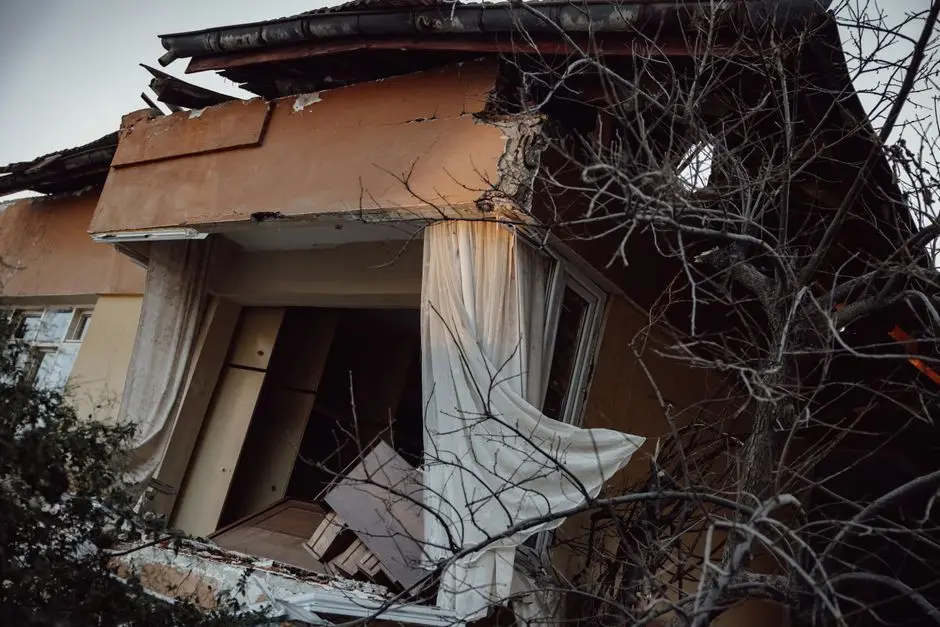
 flood restoration servicesWhen snowmelt or a storm sends water into your basement, flood restoration services cover extraction, drying, and the rebuild that follows. We handle the whole sequence so you are not coordinating three different contractors after a South Ogden storm.Explore →
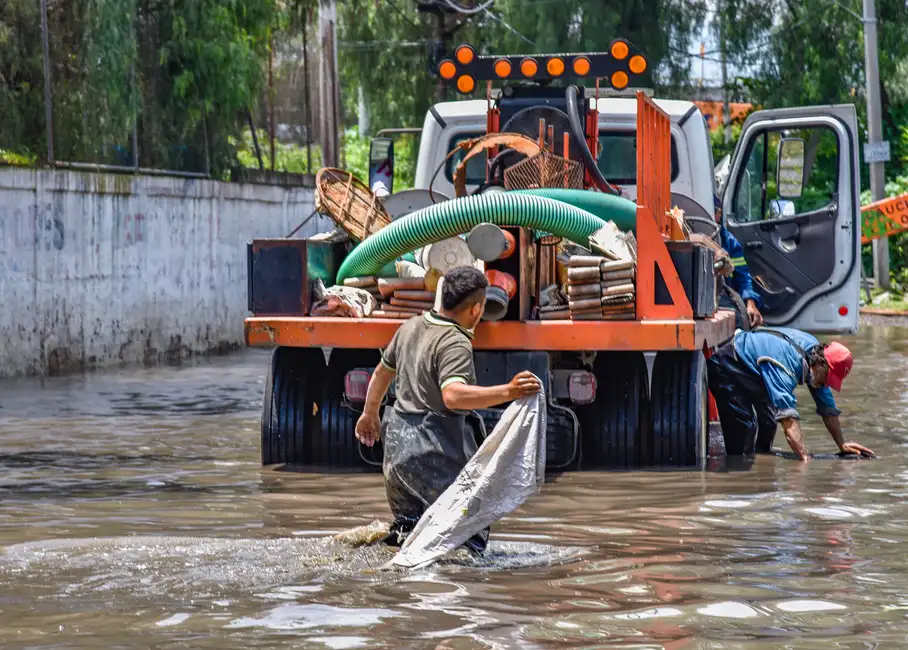
 mold remediation after water damageMold can start growing on wet drywall within 24 to 48 hours. If your South Ogden home sat wet for a few days before extraction, we test for mold and remove affected materials under containment before rebuilding.Explore →
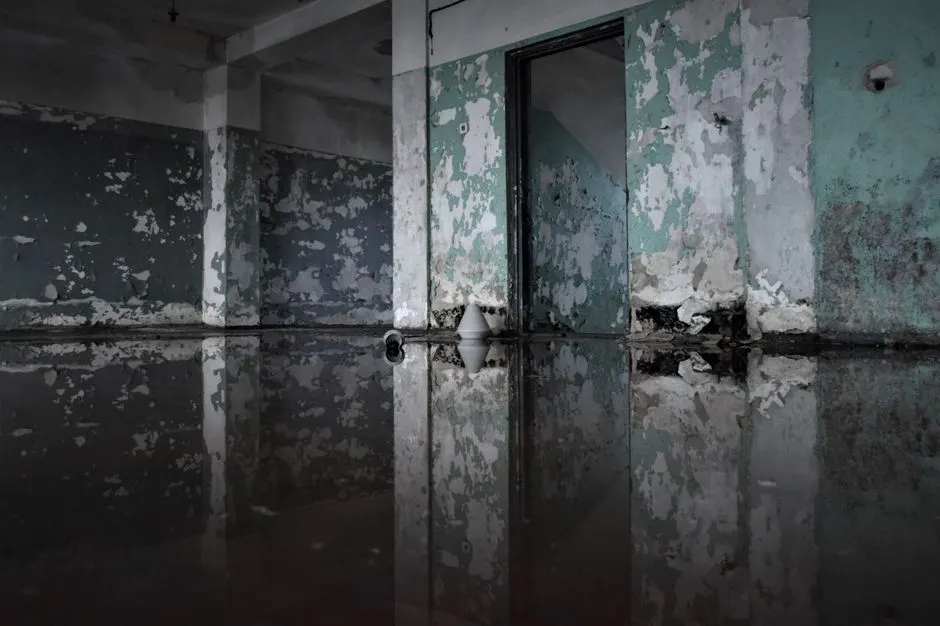
 water leak restorationA slab leak or a pinhole supply line can soak a wood subfloor for weeks before you notice. We locate the leak, dry the structure, and repair the materials it damaged, which is often cheaper than waiting for the floor to cup.Explore →
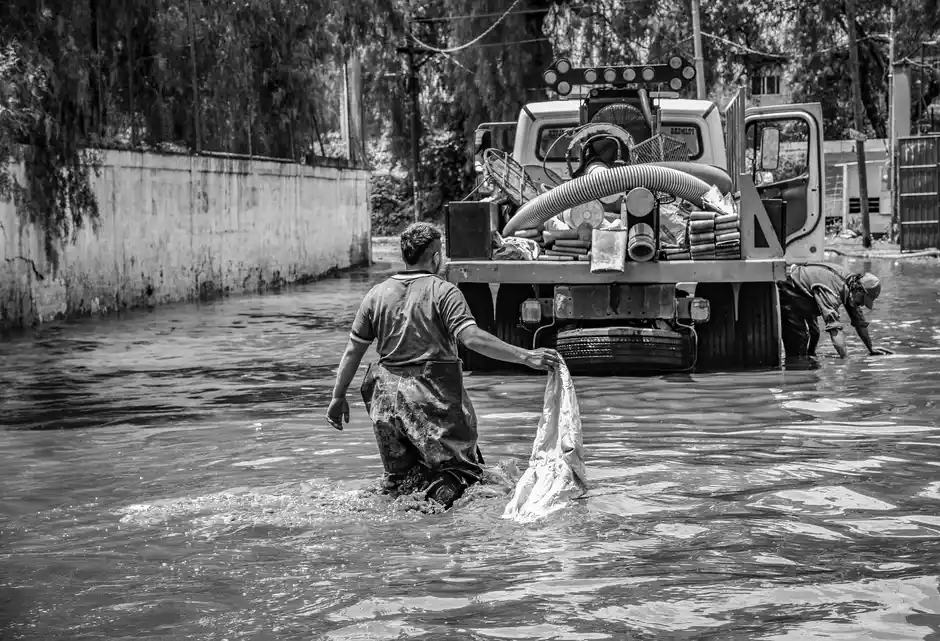 emergency water cleanupNot every call needs full restoration. Sometimes you just need water out, surfaces sanitized with antimicrobial solution, and air moving. Emergency water cleanup covers that smaller scope without the full rebuild price tag.Explore →
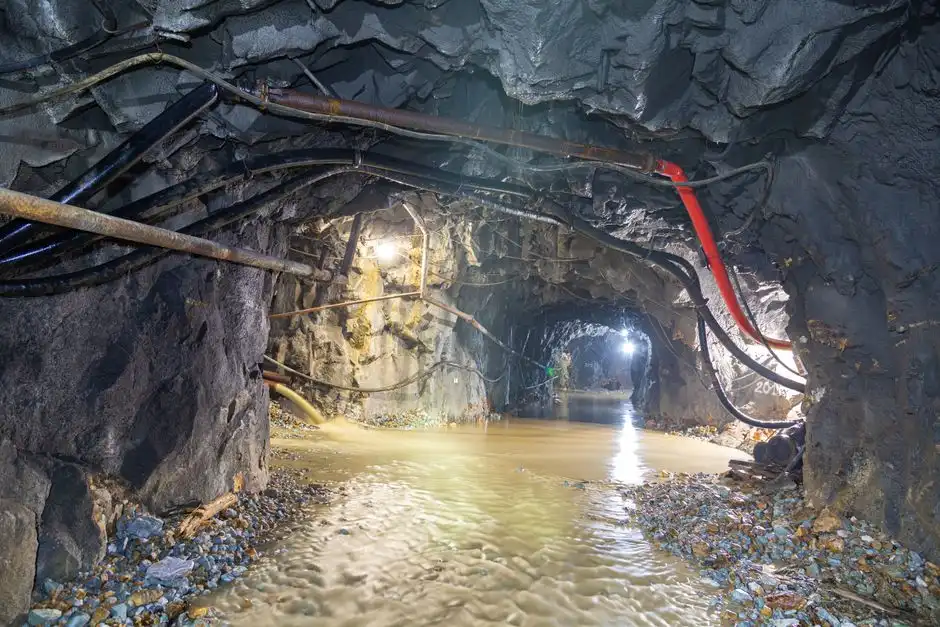 water extractionWater extraction is the core of what we do: pulling standing water out of carpet, pad, hardwood, and concrete with truck-mounted and portable units. It is the first step in every job and the one that limits how much material you lose.Explore →
 water damage mitigationMitigation means stopping the damage from spreading. We extract, dry, and stabilize the structure so secondary damage like mold growth and warped flooring never gets a foothold in your South Ogden home.Explore →
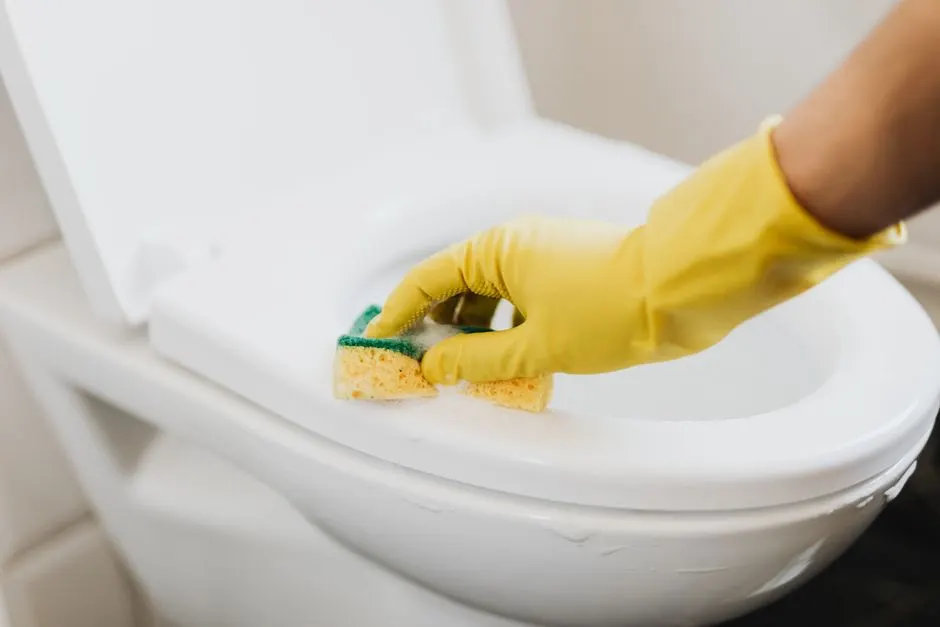 toilet overflow cleanupA toilet overflow can push category 3 water into a hallway in minutes. We extract it, remove contaminated materials, and sanitize with antimicrobial solution. Fast work here keeps the job small and the smell out.Explore →
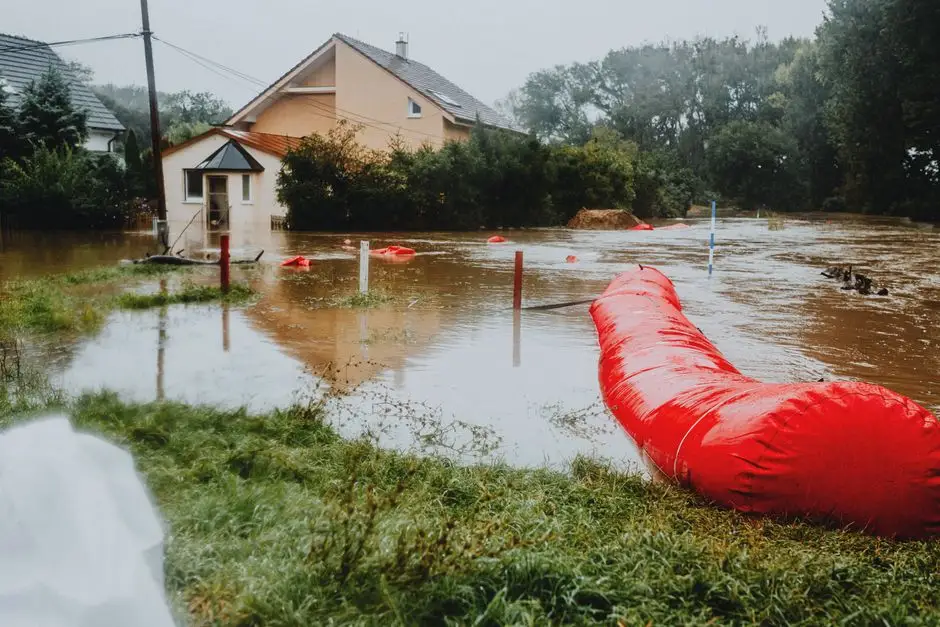 basement flood cleanupFinished basements in South Ogden Heights and Oak Hills flood fast when a sump pump fails. We pump, extract, and dry the space, then check the wall cavities with a boroscope before we call it done.Explore →
We answer 24/7, we stage in Weber County, and we bill your carrier directly when the loss is covered. Call (855) 927-6272 and we will tell you how to slow the water while a crew heads your way.
Call Now (855) 927-6272 →Call (855) 927-6272 any time, day or night. A live person answers and dispatches a crew from South Ogden. For non-emergency questions, email info@steadfieldassembly.com and we will get back to you the same business day.