How to stop a toilet overflow before it soaks your floor
A toilet overflow can dump 2-5 gallons a minute onto your floor. Here's how to shut it off fast, clean it up, and know when to call a pro in South Ogden.
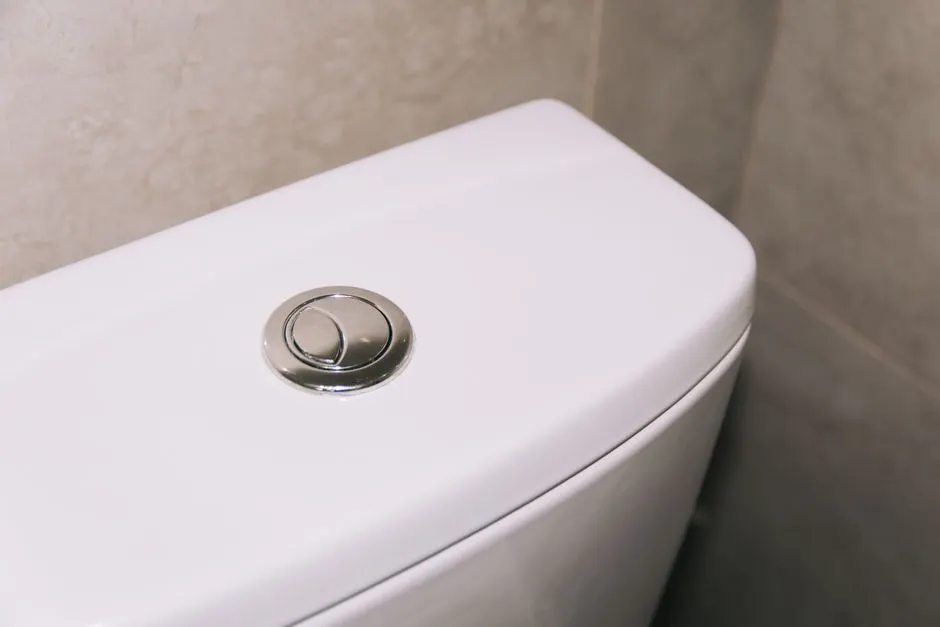
You stop a toilet overflow by killing the water supply first, not by plunging. Reach behind the bowl, turn the oval shutoff valve clockwise until it stops, then lift the tank lid and pull the flapper chain up so the tank can't refill. That takes about 15 seconds and prevents the 2-5 gallons per minute that a running toilet can push onto your floor.
If the valve is stuck or you can't find it, shut off the main water line to the house and call for help. The rest of this guide covers why toilets overflow in South Ogden, how to shut the valve when it's seized, cleanup steps that actually stop mold, and when a wet floor turns into a Water Damage Restoration job.
How do I stop a toilet overflow in South Ogden UT?
Stopping a toilet overflow in South Ogden UT means cutting the water supply within the first 30 seconds, because a standard 2-inch flapper toilet drains a full 1.6-gallon tank in under 20 seconds and keeps refilling until you intervene. The bowl itself only holds about 1.28 gallons on a modern low-flow model, so anything past that goes onto the floor.
Do these in order:
- Turn the shutoff valve clockwise. It sits low on the wall behind the toilet, usually 6-8 inches off the floor. Hand-tight is enough; don't force it.
- Lift the tank lid and raise the flapper. Hook the chain over the overflow tube so the flapper stays open and the tank can't refill.
- If the valve won't budge, shut off the main valve at the meter or the house entry point. In most South Ogden homes that's a ball valve near the water heater or in the crawl space.
- Kill the power to any bathroom outlet within 3 feet of standing water at the breaker.
- Contain the spread with towels at the doorway, then start extracting water.
Once the water is off, the overflow stops. Everything after that is cleanup and drying.
What causes a toilet to overflow in South Ogden Utah?
A toilet overflows in South Ogden Utah for one of four reasons: a clog in the trapway or drain line, a stuck or misadjusted flapper, a fill valve that won't shut off, or a blocked vent stack. Three of those four have nothing to do with what you flushed.
The clog is usually past the toilet, not in it
If plunging for 30 seconds doesn't clear it, the blockage is in the branch line or the main sewer lateral. Homes built in South Ogden Heights and Burch Creek before 1980 often still have cast iron or orangeburg lateral lines that root-intrude every spring. When the city gets its March snowmelt, we get a wave of calls for exactly this.
A flapper that never seats
A worn flapper lets the tank trickle into the bowl continuously. You won't see a flood - you'll see a water bill that jumps $40-$80 in a month and a faint hiss at night. That slow leak is the number one cause of hidden subfloor rot under bathroom tile.
Fill valve and float problems
A fill valve set too high lets water run into the overflow tube inside the tank, which dumps straight into the bowl. Adjust the float so the water line sits about 1 inch below the top of the overflow tube.
Blocked vent stack
If every drain in the house gurgles when you flush, the vent is blocked - often by a bird nest or frost. Without air behind it, the flush backs up. That's a job for a licensed plumber, not a plunger.
How to shut off the toilet water valve in South Ogden Utah
Shutting off the toilet water valve in South Ogden Utah is a clockwise turn of the oval handle on the wall behind the bowl - but about one in five valves we see in older homes is seized from mineral scale. Weber Basin water runs hard, and that calcium builds up on valve stems over 10-15 years.
If the handle won't turn by hand:
- Don't use pliers on a plastic handle - it snaps. Use a small adjustable wrench on the metal stem only.
- Turn a quarter-turn, then back off slightly, then continue. Working it back and forth breaks the scale.
- If it still won't move, go to the main shutoff. Better a whole-house shutoff than 40 gallons on the floor.
After you shut it off, open the tank lid and confirm the water stops. If it keeps running, the valve is passing and you need the main.
Once the water is contained, getting it out fast matters more than anything else. Standing water wicks into baseboards, subfloor, and the ceiling of the room below within 20-30 minutes. That's when emergency water removal South Ogden UT makes the difference between a two-day dry-out and a three-week rebuild.
Toilet overflow prevention tips for South Ogden homeowners
Toilet overflow prevention in South Ogden comes down to four habits and one $15 part. Replace the flapper every 5 years, keep a plunger next to every toilet, and know where your main shutoff is before you need it.
- Replace the flapper every 5 years. A $8-$15 rubber flapper is the cheapest insurance you can buy. Chlorine and hard water break them down.
- Test the shutoff valve twice a year. Turn it off, then back on. If it's stiff, replace it now, not during an emergency.
- Never flush wipes, paper towels, or "flushable" cat litter. They don't break down and they catch on every root intrusion in the lateral.
- Watch your water bill. A jump of more than 2,000 gallons with no change in habits means a running toilet.
- Install a water alarm. A $12 puck alarm behind the toilet screams before the water reaches the hallway.
If you've had one overflow, you're likely to have another - the underlying drain issue doesn't fix itself. Homeowners in Shadow Valley Water Damage Restoration territory deal with the same aging supply lines and hard water we see across the rest of the city.
What to do when a toilet overflows: cleanup steps
What to do when a toilet overflows is a sequence, not a scramble: stop the water, remove standing water, dry the structure, then disinfect. Skip the drying step and you'll be dealing with mold in 24-48 hours.
- Extract standing water. A wet/dry shop vac handles 5-10 gallons. Work from the edges toward the center so you don't push water under the baseboards.
- Pull the baseboards if water reached them. Water wicks up drywall 1 inch for every 1 inch of standing depth. Baseboards trap it against the wall.
- Set up air movement and dehumidification. A box fan alone won't dry a subfloor. You need a dehumidifier pulling 30-50 pints per day plus airflow across the wet surface.
- Disinfect. Toilet water is Category 2 or Category 3 water - it carries bacteria. Use an EPA-registered disinfectant on every surface the water touched.
- Check the ceiling below. If the bathroom sits over a finished room, look for a sagging drywall seam or a brown ring within 24 hours.
Clean water from a supply-line overflow dries in 24-48 hours with good airflow. Sewage-contaminated water - the kind that comes from a backed-up drain - is a different category entirely and needs professional sewage cleanup South Ogden UT before anyone uses that bathroom again.
Common mistakes that make a toilet overflow worse
The most expensive mistake we see is plunging a toilet that's already overflowing. Every plunge pushes more water into the bowl and onto the floor. Kill the supply first, every time.
Other mistakes that turn a $200 cleanup into a $4,000 rebuild:
- Using a mop instead of extraction. A mop spreads water into the grout lines and pushes it under the tile. You need suction.
- Assuming the floor is dry because the surface feels dry. Tile and vinyl hide water. A pinless moisture meter reads through them - anything above 16% on wood means the subfloor is wet.
- Running the HVAC to "dry it out." That pulls humid air through the whole house and can grow mold in the ducts.
- Waiting until morning. Mold colonization starts at 24 hours. Water sitting overnight under a vanity is enough to start it.
- Flushing again to "test it." Don't. Clear the clog first, then test.
If you've already had water sitting for more than a few hours, that's a water damage mitigation South Ogden UT situation, not a towel situation.
When to call a professional for toilet overflow water damage
Call a professional when the water ran for more than 10 minutes, when it reached carpet or a finished ceiling below, or when the source was a backed-up drain rather than a clean supply line. Those three conditions mean water is already inside the structure.
We see this constantly in South Ogden's older housing stock. A 1950s ranch with original hardwood over a pier-and-beam foundation will soak water 6-8 feet from the toilet before you notice. By the time the floor feels soft, the joists are wet.
Our team at Steadfield Assembly handles the whole sequence: extract the water, meter the walls and subfloor, set drying equipment, treat for bacteria, and document moisture readings day by day until the structure is back to dry standard. If mold has already started, we handle that too - see our mold remediation after water damage South Ogden UT service.
One call, one crew, one invoice. We tell you the price before we start.
Frequently Asked Questions
How do I stop a toilet overflow in South Ogden UT?
Turn the shutoff valve behind the toilet clockwise until it stops, then lift the tank flapper so it can't refill. That takes about 15 seconds. If the valve is seized, shut off the main water line to the house instead. Never plunge a toilet that's already overflowing - it pushes more water onto the floor.
What causes a toilet to overflow in South Ogden Utah?
Four causes cover 95% of cases: a clog in the drain line past the toilet, a worn flapper that won't seat, a fill valve set too high, or a blocked vent stack. In South Ogden's older homes, root intrusion into cast iron laterals is the most common cause each spring.
Should I call a water damage company for toilet overflow in South Ogden?
Call if the water ran longer than 10 minutes, reached carpet or a ceiling below, or came from a backed-up drain. Clean supply-line water under 10 minutes is usually a DIY dry-out. Anything past that needs extraction and metering - mold starts at the 24-hour mark.
How much does toilet overflow cleanup cost in South Ogden UT?
Typical 2026 pricing in this area runs $250-$600 for a small bathroom dry-out with extraction and air movers, and $1,200-$3,500 if water reached the subfloor, a finished ceiling, or carpet. Sewage-contaminated overflows cost more because they require disinfection and sometimes drywall removal.
Can I just let the floor air dry after a toilet overflow?
No. Air drying only works on the surface. Water wicks into grout, subfloor, and baseboards within 20-30 minutes and stays there. You need mechanical extraction plus a dehumidifier pulling 30-50 pints per day, or you'll be dealing with mold within 48 hours.
Get help with Water Damage Restoration in South Ogden
If your toilet overflowed and the water has been sitting, we can be at your door with extraction equipment and moisture meters today. We serve every neighborhood in South Ogden, from Downtown to Oak Hills.
Call Steadfield Assembly at (855) 927-6272 and we'll give you a straight price before we start.